
Unveiling Microsoft’s Recall Feature: Balancing Convenience with Privacy Concerns
In the ever-evolving landscape of technology, Microsoft has once again stepped into the spotlight with its latest innovation: the Recall feature. Promising to revolutionize the way users interact with their computers, Recall has sparked both excitement and apprehension among consumers and cybersecurity experts alike.
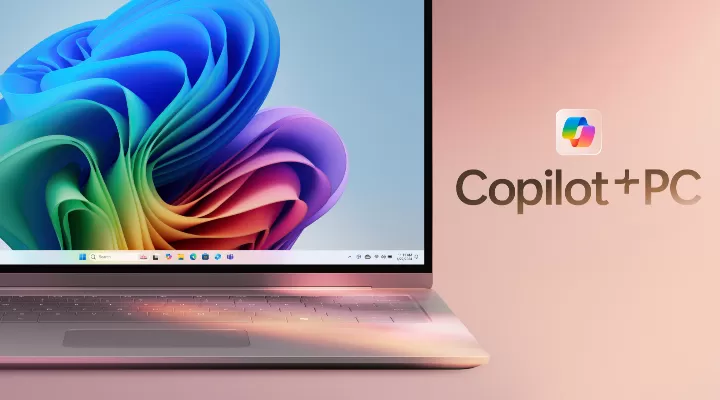
Last week, Microsoft unveiled Recall as part of its Windows 11 update, positioning it as a tool to help users effortlessly revisit past activities on their computers. Powered by advanced AI, Recall continuously captures screenshots of users' computer screens, indexing the content for easy retrieval. Whether it's revisiting a website, finding a lost document, or recalling a previous conversation, Recall aims to simplify the digital experience.
At first glance, Recall appears to offer unparalleled convenience. Imagine never having to worry about losing important information buried deep within your computer's folders or web history. With Recall, everything is just a search away, eliminating the frustration of endless scrolling and searching.
However, beneath the surface lies a web of privacy and security concerns. Critics have raised alarms over the potential implications of a feature that essentially records and indexes every action taken on a user's computer. While Microsoft assures users that all data is encrypted and stored locally, questions linger about the vulnerability of this information to unauthorized access.
One of the primary fears surrounding Recall is its susceptibility to exploitation by hackers. In the event of a security breach, malicious actors could gain access to a treasure trove of sensitive data, including passwords, financial information, and personal correspondence. This, combined with the feature's continuous monitoring of user activity, paints a troubling picture of potential privacy breaches.
Moreover, the UK's Information Commissioner's Office (ICO) has launched an investigation into Recall, underscoring the gravity of the situation. As a regulatory body tasked with safeguarding data privacy rights, the ICO's scrutiny further highlights the need for transparency and accountability in the development and implementation of such features.
Despite these concerns, Microsoft remains steadfast in its commitment to balancing convenience with privacy. The company emphasizes that Recall is an optional experience, allowing users to customize their settings and control the types of data captured. Additionally, Microsoft asserts that Recall is designed with privacy in mind, incorporating safeguards to protect user data from unauthorized access.
As the debate surrounding Recall continues to unfold, it prompts important conversations about the intersection of technology and privacy. While innovation undoubtedly enhances our digital experiences, it also poses ethical dilemmas that cannot be overlooked. As consumers, it's essential to weigh the benefits of convenience against the potential risks to our privacy and security.
In conclusion, Microsoft's Recall feature represents a groundbreaking leap forward in computer usability, yet it also raises valid concerns about privacy and security. As users navigate this new digital landscape, vigilance and transparency must remain paramount. Only by addressing these concerns head-on can we ensure that technology continues to enrich our lives without compromising our fundamental rights to privacy and security.
